Reactive (outside in)
- Inbox sets the agenda
- Important-not-urgent gets dropped
- Days feel busy and hollow
- Effectiveness = reaction speed
- Dependence on circumstances
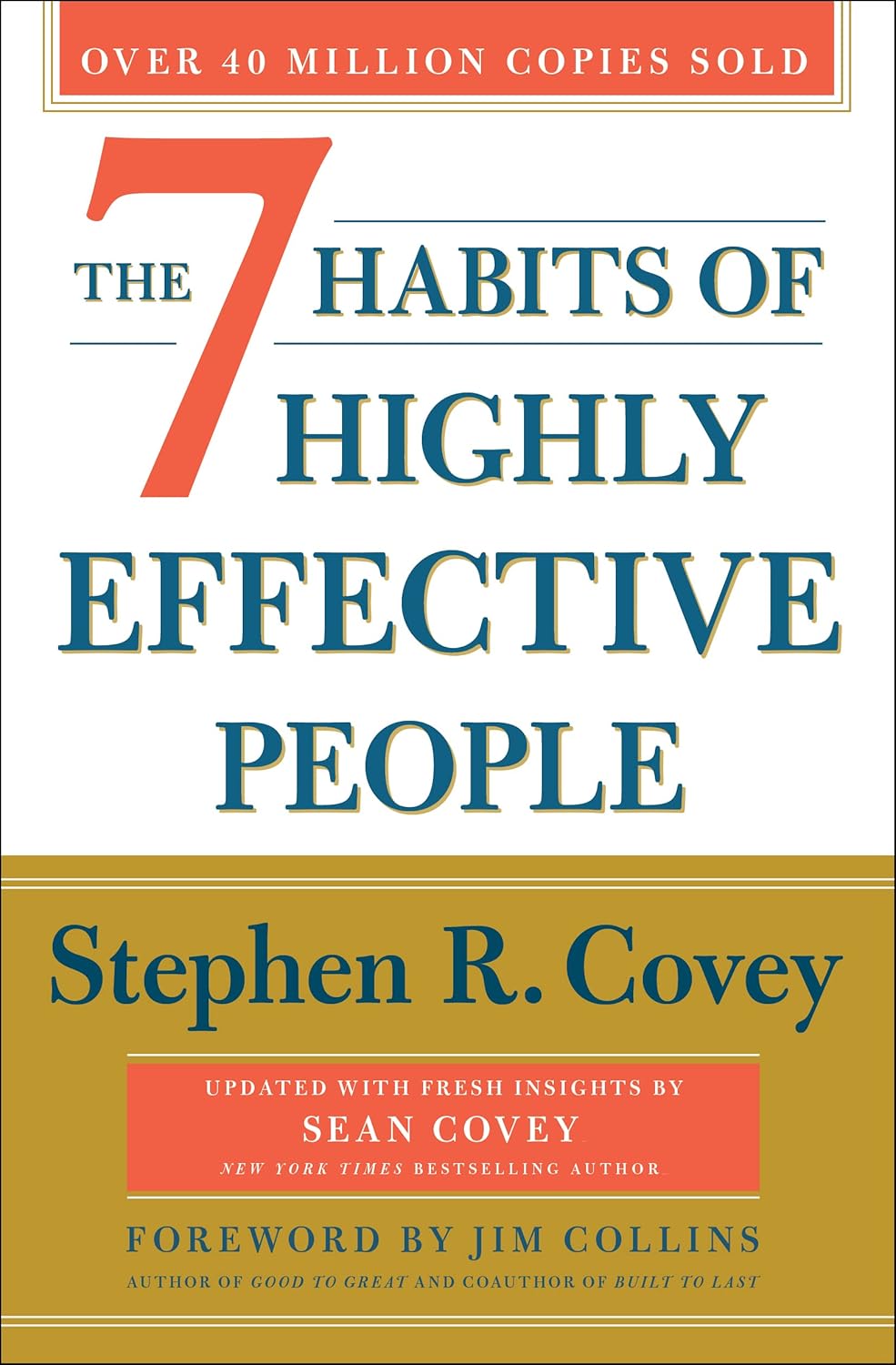
by Stephen Covey
Source book · ~8h read
“The way we see the problem is the problem.”
The argument
Stephen Covey argues that lasting effectiveness comes from character, not from techniques — from a foundation of personal habits (be proactive, begin with the end in mind, put first things first), then interpersonal habits (think win-win, seek first to understand, synergize), and finally renewal (sharpen the saw). The order is non-negotiable: you cannot have effective relationships without an effective inner life.
At a glance
The hook
Reactive founders run their companies at the mercy of their inboxes. Proactive founders run their inboxes at the mercy of their priorities.
First-time founders default to reactive mode: customer email pulls them off product work, an investor's question reorders the week, a co-founder's mood determines the meeting agenda. Covey's contribution is naming this trap and giving the founder language for living from the inside out — anchoring the week to chosen priorities, not to incoming pressure.
Habits 1–3 (be proactive, begin with the end in mind, put first things first) are the foundation founders most need and most ignore. Habits 4–6 (win-win, seek to understand, synergize) shape how they show up to co-founders, hires, and customers. Habit 7 (sharpen the saw) prevents burnout. Together they're a complete operating system for not becoming the founder you didn't want to become — the one whose company is succeeding while their life isn't.
0 takeaways
Pull up your last 7 days of calendar / task list. Sort every item into one of four boxes:
Q1: Urgent + Important — crises, deadlines.
Q2: Not Urgent + Important — planning, learning, prevention, key relationships.
Q3: Urgent + Not Important — most interruptions, some meetings.
Q4: Not Urgent + Not Important — busywork, distractions.
Most founders are 60–80% in Q1 + Q3 (firefighting + interruptions). Q2 is where the company actually compounds — and it's the most-dropped quadrant because nothing is shouting at you to do it.
This week's practice: block one 90-minute Q2 session in your calendar before any other commitment lands. Not a meeting — solo work on something that's important and not urgent. Defend it like it's a customer call. If you can't do this for one week, your company is being run by external pressure, not by you.
Read
Search The 7 Habits of Highly Effective People by Stephen Covey on Amazon, your local bookshop, or your library system.
The loop closes here
When a founder applies an idea from The 7 Habits of Highly Effective People and something shifts, they post it as a Knack. Knacks tagged with this book surface here — practical, written by the people who lived it.
Open invitation
Did applying something from this book change a week, a decision, a meeting? Tell another founder. Even a small shift, written honestly, is the kind of Knack that gets marked “This worked” — and helps the next founder pick up the book and try it.
Pseudonymous by default. No humble-bragging — just here's what I tried, here's what shifted.
Share